

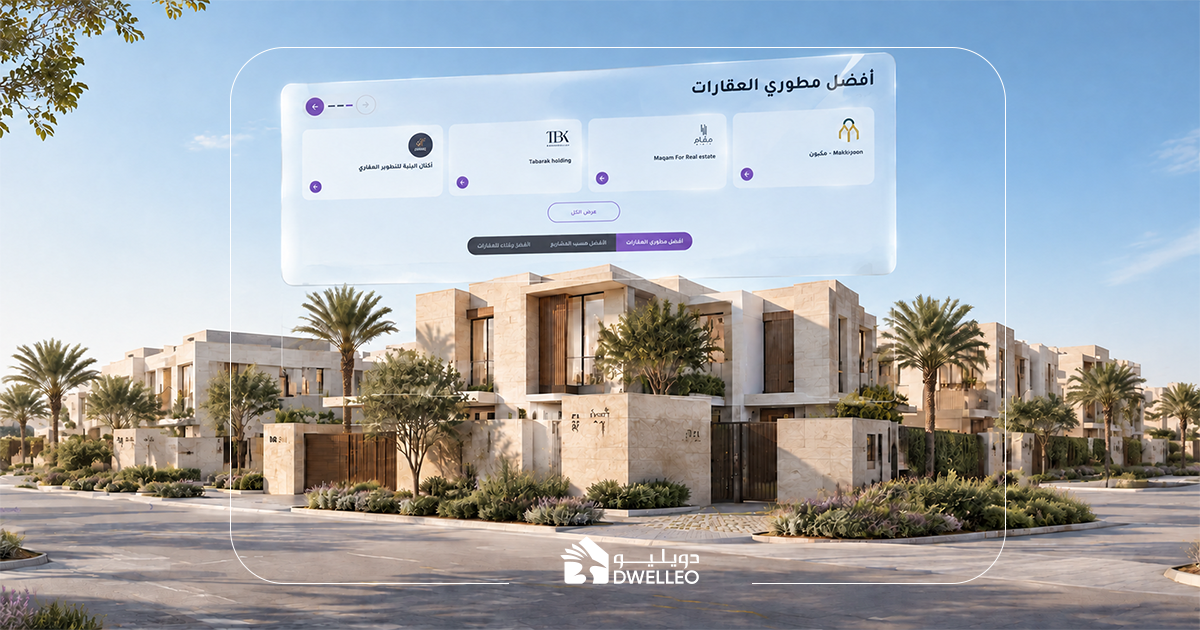
Choosing the right real estate developer is an important step before buying a property, especially when purchasing an off-plan property or investing in a new development.
Price, location, and property design are not the only factors that determine whether a project is right for you. The developer’s experience, previous projects, delivery record, and the type of developments they have completed can all help you build a clearer picture before making a decision.
In this guide, we explore the key factors to consider when evaluating a real estate developer and what to look for before buying a unit in a new development.
Why Is Evaluating a Real Estate Developer Important?
When buying a completed property, buyers can usually inspect the unit, building, and surrounding area directly.
With projects that are still under construction, however, buyers may have to rely on the project plans, specifications, available information about the developer, and the developer’s previous construction and delivery history.
That makes understanding the developer an important part of evaluating the project itself.
This does not mean relying on the developer’s name alone. Instead, gather as much relevant information as possible about the developer’s experience and previous projects, then compare it with your own needs and investment goals.
What Are the Key Factors When Evaluating a Real Estate Developer?
1. The Developer’s Experience in the Market
Start by looking at the developer’s experience and the types of projects they have completed.
Consider questions such as:
- How long has the developer been operating in the market?
- What types of projects have they developed?
- Do they focus on residential, commercial, or multiple types of developments?
- Are there previous projects you can review?
- Which cities or areas do they operate in?
The clearer your understanding of the developer’s experience and activities, the easier it becomes to understand the type of project you are considering.
2. Review Previous Projects
A developer’s previous projects can provide useful information about their experience and the types of developments they have delivered.
Try to review:
- Completed projects.
- Projects that are still under construction.
- The types of properties they have developed.
- The locations of their previous projects.
- Available information about construction and delivery timelines.
- How closely previous projects match the type of property you are considering.
Do not rely on a single project. Reviewing several developments can give you a broader understanding of the developer’s experience.
3. Delivery Record
For off-plan projects, delivery is one of the key areas that deserves attention.
Review the developer’s previous projects and look for available information about construction progress and delivery timelines.
The delivery date alone should not be the only consideration. It is also important to understand the current stage of the project, what has already been completed, and the expected remaining timeline.
4. Project Location and Surrounding Area
Even when a developer has extensive experience, the project’s location remains an important factor when evaluating a property.
Consider:
- The project’s location within the city.
- Access to major roads and transportation routes.
- Nearby services and facilities.
- The surrounding area.
- Nearby developments and future projects.
- Demand for the type of property in the area.
The developer is one part of the decision, but it does not replace the importance of location, demand, and the surrounding market.
5. Project Type and Its Fit With Your Goals
Not every project is suitable for every buyer.
Before making a decision, identify your main objective.
Are you looking for a home?
A property for investment?
An off-plan property that you plan to hold for a longer period?
Or an opportunity to resell in the future?
Once you define your objective, you can better evaluate whether the project and developer match your needs.
For more details on evaluating the property itself before buying, you can also read our guide: How to Choose a Property for Investment: Key Factors to Consider.
6. Evaluate the Project, Not Just the Developer
Choosing a well-known developer does not automatically mean that every project they offer will be right for you.
The project itself should also be evaluated based on:
- Location.
- Property types.
- Prices.
- Unit sizes.
- Services and amenities.
- Current project stage.
- Expected delivery date.
- Available alternatives in the area.
- Expected demand for the project.
In other words, evaluating the developer is part of evaluating the project, not a replacement for it.
7. Compare Developers and Projects
When you have more than one option, try to make a structured comparison instead of making a decision based on first impressions.
You can compare developers using several key factors, such as:
- Experience: The developer’s years of activity and type of market experience.
- Previous projects: The number and types of developments completed previously.
- Delivery record: Available information about construction progress and delivery of previous projects.
- Cities and locations: The areas where the developer operates.
- Project types: Residential, commercial, or other types of developments.
- Current project: Location, property types, services, and available specifications.
- Price: How the property compares with similar projects and properties in the area.
- Delivery date: The expected completion date and current stage of the project.
This approach helps you look at the developer and the project as a whole instead of focusing on a single factor, giving you a clearer basis for comparing your available options.
How Can Dwelleo Help You Evaluate Developers and Projects?
Dwelleo provides developer pages that allow users to explore available information about developers, their projects, and related properties, supporting the research and comparison process before buying.
Developer information is also connected with related projects and properties, helping users move from researching a developer to exploring their projects and associated property options.
When searching for the right property, however, do not make developer evaluation the only step. Consider the developer, project, location, price, and your personal or investment goals together to build a clearer overall picture.
Frequently Asked Questions About Choosing a Real Estate Developer
How do I know if a real estate developer is right for me?
Start by reviewing the developer’s experience, previous projects, and available information about construction and delivery. Then evaluate the project itself based on its location, price, specifications, and suitability for your goals.
Is buying an off-plan property from a well-known developer enough to make a decision?
No. The developer is an important part of the evaluation, but it is not the only factor. You should also consider the project, its location, price, specifications, expected delivery date, and available alternatives in the market.
What should I check before buying an off-plan property?
Review the available information about the developer and project, construction progress, expected delivery date, and property details. You should also make sure the project fits your goals and budget.
Should I compare more than one developer?
Yes. Comparing different developers and projects can help you understand the differences more clearly instead of making a decision based on a single name or project.
Conclusion
Choosing the right real estate developer is not simply about reputation or price.
It is better to look at the full picture: the developer’s experience, previous projects, delivery record, project location, property details, price, and your reason for buying.
When these factors are considered together, evaluating a project becomes clearer, whether you are looking for a home or a real estate investment opportunity.
Start by researching the developer, then evaluate the project itself, and finally compare the property with similar options available in the market before making your decision.